


Centers for Disease Control and Prevention

Drug-resistantgroup A Streptococcus

Threat Level: CONCERNING

In the United States in 2023:

CDC changed methodologies and data sources to produce the most comprehensive AR Threats Report to date. Direct comparison of this threat's data to previous reports is not recommended.

What you need to know

Group A Streptococcus (GAS) bacteria can cause many different infections, ranging from mild illnesses like sore throat (“strep throat”) to serious and deadly diseases and conditions like pneumonia, necrotizing (“flesh-eating”) skin infections, and sepsis (the body's extreme response to an infection).

GAS can cause severe, invasive infections when the bacteria spread to parts of the body that are normally sterile (free from germs), such as blood and internal body parts like bone. People with a higher risk of invasive GAS infections are older adults; American Indian or Alaska Native people; Native Hawaiian or Other Pacific Islander people; people experiencing homelessness; residents of nursing homes and long-term care facilities; people who have skin breakdown or chronic medical conditions (such as diabetes); and people who inject drugs.

GAS can be resistant to antibiotics and can cause drug-resistant infections that are difficult to treat. Currently, GAS infections can be effectively treated with penicillin and amoxicillin, the first-line (main) recommended antibiotics. However, GAS are increasingly resistant to a group of antibiotics called macrolides, which are used for patients with severe penicillin allergies, and clindamycin, which is used alongside penicillin to treat the most severe GAS infections.

Drug-resistant group A Streptococcus data

The reported number of invasive group A Streptococcus (GAS) infections reached its highest point in 2023. Around 1 in 4 invasive GAS infections are now resistant to macrolides and clindamycin.

Estimated number of drug-resistant group A Streptococcus (GAS) infections by year and age group in the U.S.

In 2022 and 2023, there were an estimated 2 million drug-resistant GAS infections per year. Most resistant infections happen in adults 18 years and older; however, the estimated number of infections in children younger than 18 years increased nearly 15% from 2022 to 2023.

The number of invasive GAS infections resistant to macrolides (for example erythromycin, azithromycin) or clindamycin was more than 11,700 in 2023, a nearly 30% increase from 2022.

Estimated number of resistant and susceptible invasive group A Streptococcus (GAS) infections and percent resistant by year in the U.S.

Between 2013 and 2023, the estimated number of invasive GAS infections quadrupled, while invasive drug-resistant infections increased nearly 10-fold. Drug resistance among invasive GAS infections peaked in 2021 at 35.6% and then declined to 26.8% in 2023. Increases in macrolide (for example erythromycin, azithromycin) and clindamycin resistance occurred prior to the COVID-19 pandemic. During the pandemic, the estimated number of invasive susceptible (responsive to antibiotics) GAS infections decreased more than invasive resistant GAS infections, resulting in a higher percentage of resistant infections during 2020 to 2022. After 2022, the estimated number of invasive susceptible GAS infections increased again, which lowered the percentage of resistant GAS infections. Invasive infections happen when GAS bacteria spread to normally sterile (free from germs) body sites, such as blood, cerebrospinal fluid, or internal body sites like bone.

Increasing drug resistance decreases treatment options
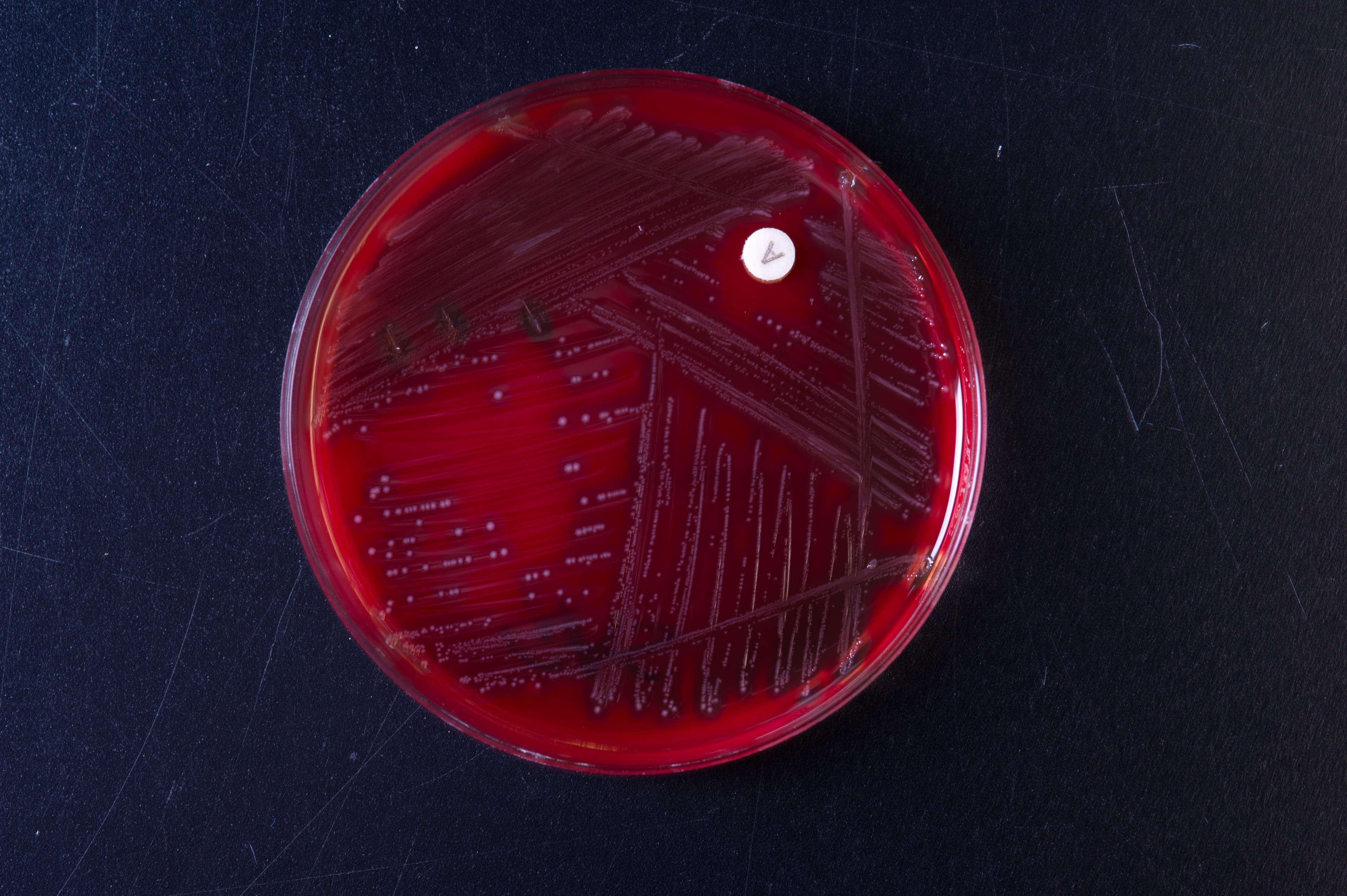
Streaks of bacteria growing in a red agar plate.

Increasing resistance to certain antibiotics complicates treatment for both mild and severe GAS infections.

We all know someone who has had strep throat but imagine if it was untreatable. Germs would spread more easily, more people would get sick, and some might develop rheumatic fever, a complication from strep throat that can cause permanent heart damage.
Currently, group A Streptococcus (GAS) bacteria, which can cause strep throat, are not resistant to penicillin or amoxicillin, the main antibiotics used to treat the infection. However, GAS can be resistant to a group of antibiotics called macrolides, including erythromycin and azithromycin, which are used for patients who are severely allergic to penicillin.
For severe, life-threatening GAS infections such as necrotizing infections and streptococcal toxic shock syndrome, using a combination of clindamycin and penicillin is the recommended treatment. Unfortunately, increasing resistance to macrolides and clindamycin complicates treatment for both mild and severe GAS infections, putting people at increased risk for these serious infections.
How CDC combats drug-resistant group A Streptococcus

  • Supporting health departments

    CDC provides guidance and assistance for group A Streptococcus (GAS) infection prevention, control, and response. In 2025, CDC epidemiology and laboratory subject matter experts provided rapid technical assistance to 42 investigations in 11 states.

  • Conducting population- and laboratory-based surveillance

    CDC uses the Active Bacterial Core surveillance (ABCs) platform to conduct surveillance for invasive GAS infections and antimicrobial resistance. ABCs, part of CDC's Emerging Infections Program, operates in 10 sites across the United States, covering a population of 35 million people for GAS surveillance. Through surveillance, CDC can identify and investigate invasive GAS infections and perform antimicrobial susceptibility testing on all isolates (pure samples of a germ). CDC uses this established, long-term surveillance platform to monitor trends by estimating annual incidence of invasive GAS disease and drug-resistant infections.

  • Expanding state public health lab capacity

    CDC conducts molecular testing and GAS strain characterization to ensure quick detection of outbreaks for effective public health responses. As of 2024, six state public health laboratories enhanced their GAS testing through whole genome sequencing, which enables earlier outbreak detection and more efficient investigations and responses.

  • Optimizing lab technology

    CDC uses whole genome sequencing and develops new molecular lab tests to identify potential emerging threats. Through ABCs, over 20,000 GAS genomes have been characterized and are publicly accessible to the research community. This enhances understanding of GAS infections, strengthens drug resistance monitoring, and informs vaccine development.

Drug-resistant group A Streptococcus resources

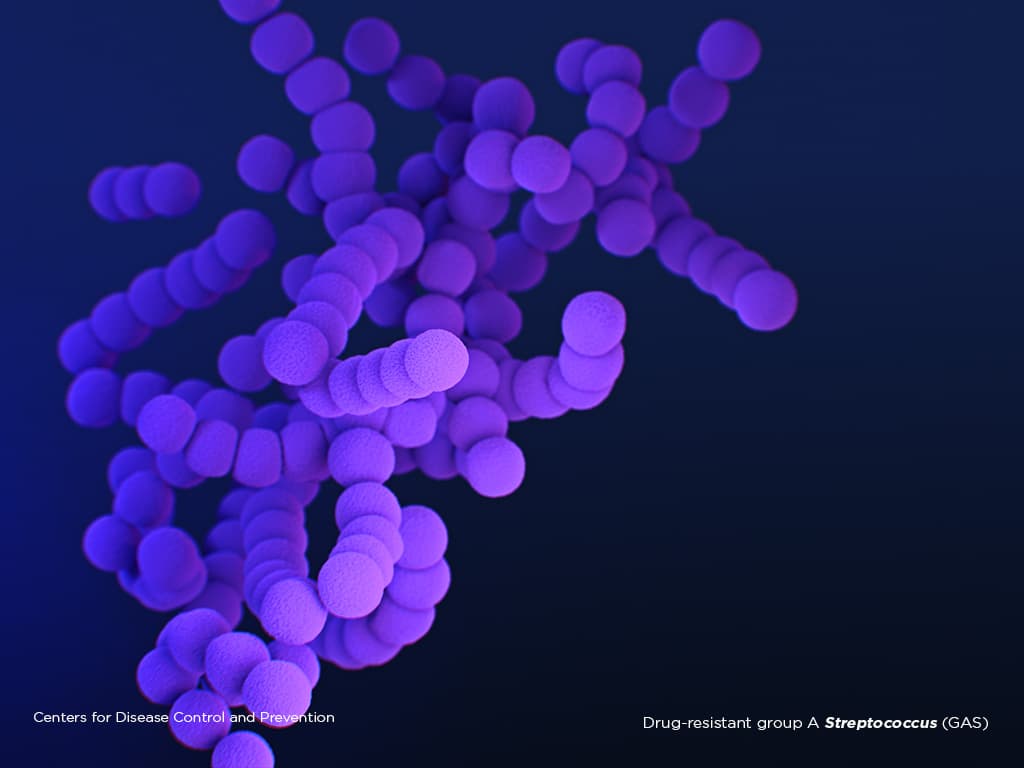
Illustration of Drug-resistant group A Streptococcus