


July 2021
Carbapenem-resistant Enterobacterales (CRE): An urgent public health threat
Antibiotic Resistance
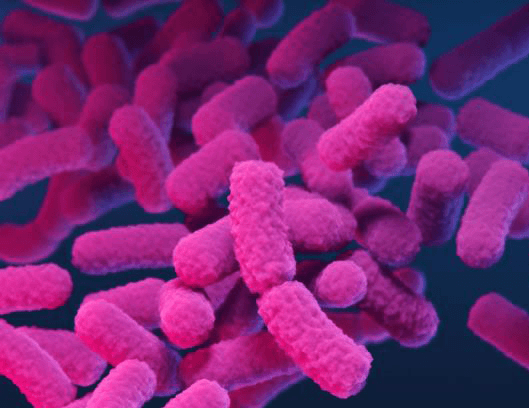
CRE, which stands for carbapenem-resistant Enterobacterales, are a family of germs that are difficult to treat because they are resistant to nearly all antibiotics, including carbapenems, some of our most powerful drugs. Often called “nightmare bacteria”, there were 13,100 estimated cases of CRE in hospitalized patients in 2017, with an estimated 1,100 deaths (Antibiotic Resistance Threats in the United States, 2019). The two most common types of CRE in the United States are carbapenem-resistant Klebsiella species and carbapenem-resistant E. coli.
Healthy people usually do not get CRE infections. CRE are most often spread from person to person in hospitals, nursing homes, and other healthcare settings. CRE can cause infections when they enter the body, often through medical devices such as intravenous catheters, urinary catheters, or through wounds caused by injury or surgery.
The Antimicrobial Resistance and Patient Safety Portal (AR&PSP) shows that CRE have been detected across the United States via the Device- and Procedure-Associated Modules of the Patient Safety Component (PSC) of the National Healthcare Safety Network (NHSN).
Percentage Carbapenem Resistance Among Enterobacteriaceae by State (NHSN PSC 2019)
Percent Carbapenem Resistance Among Enterobacterales by State
| Location | value |
|---|---|
| Alabama | 1.1 |
| Alaska | 0 |
| Arizona | 1.87 |
| Arkansas | 1.53 |
| California | 2.6 |
| Colorado | 0.67 |
| Connecticut | 2.7 |
| Delaware | 2.77 |
| District of Columbia | 3.07 |
| Florida | 1.53 |
| Georgia | 3.37 |
| Hawaii | 0 |
| Idaho | 0 |
| Illinois | 3.53 |
| Indiana | 1.23 |
| Iowa | 0 |
| Kansas | 0.73 |
| Kentucky | 1.77 |
| Louisiana | 0.97 |
| Maine | 0 |
| Maryland | 1.9 |
| Massachusetts | 1.03 |
| Michigan | 2.1 |
| Minnesota | 2.03 |
| Mississippi | 0.6 |
| Missouri | 0.53 |
| Montana | 1.93 |
| Nebraska | 0 |
| Nevada | 7.6 |
| New England | 0.97 |
| New Hampshire | 0.8 |
| New Jersey | 2.73 |
| New Mexico | 0 |
| New York | 2.63 |
| North Carolina | 2.1 |
| North Dakota | 0 |
| Ohio | 2.4 |
| Oklahoma | 1.23 |
| Oregon | 1.13 |
| Pennsylvania | 2.2 |
| Puerto Rico | 11.93 |
| Rhode Island | 0 |
| South Carolina | 0.87 |
| South Dakota | 0 |
| Tennessee | 3.93 |
| Texas | 2.57 |
| Utah | 1.03 |
| Vermont | 0 |
| Virginia | 1.37 |
| Washington | 0.63 |
| West Virginia | 0.4 |
| Wisconsin | 0.97 |
| Wyoming | 0 |
Rapid spread of CRE in parts of the United States and other countries points to a need to more aggressively control CRE spread. CDC tracks the spread of CRE, which have been characterized as an “urgent threat” to public health, requiring more monitoring and prevention activities. In 2015, CDC updated CRE-specific guidance for healthcare facilities that included recommendations for additional interventions when CRE was identified at a healthcare facility, including laboratory surveillance of clinical cultures and targeted patient screening to identify healthcare contacts with asymptomatic carriage. Some CRE can produce enzymes called carbapenemases that break down carbapenem antibiotics, making the drugs ineffective. In 2016, CDC established the Antimicrobial Resistance Laboratory Network (AR Lab Network), which provides nationwide lab capacity to rapidly detect antibiotic resistance and inform local responses to prevent spread and protect people. This includes testing every CRE isolate detected in the United States for five targeted carbapenemase genes that can make these germs even more dangerous. Early detection of these highly resistant CRE helps stop their spread.
Carbapenemase Genes Detected in CRE, by Genus, 2017-2020 (AR Lab Network)
Carbapenemases Detected in CRE by Genus
| genusLabel | VIM Detected | Targeted Gene Not Detected | OXA-48 Detected | NDM Detected | KPC Detected | IMP Detected |
|---|---|---|---|---|---|---|
| Enterobacter (16,816 Total Isolates) | 0.31 | 86.2 | 0.03 | 1.72 | 11.77 | 0.16 |
| Escherichia coli (9,463 Total Isolates) | 0.11 | 76.41 | 3.19 | 9.01 | 11.84 | 0 |
| Klebsiella (23,493 Total Isolates) | 0.26 | 44.89 | 1.93 | 3.75 | 49.87 | 0.05 |
| Other Genera (8,442 Total Isolates) | 0.44 | 79.99 | 0.36 | 1.13 | 15.68 | 2.65 |
The graph above displays the distribution of five targeted carbapenemase genes detected among CRE isolates, by type of organism. Interact with the chart legend to explore different viewing formats for each gene. To learn more about carbapenemase gene testing, please visit the AR Lab Network data profiles.
Data in CDC's 2019 AR Threats Report suggests that rapid detection of carbapenemase genes and an early aggressive response can slow emergence and even decrease the occurrence of infections from CRE. Explore carbapenemase data in the CRE profile page.
Carbapenem Resistance Identified Among Enterobacteriaceae Infections, 2011-2019 (NHSN PSC)
Carbapenem Resistance Identified Among Enterobacterales Infections
| Year | % Resistant |
|---|---|
| 2011 | 2.76 |
| 2012 | 2.31 |
| 2013 | 2.6 |
| 2014 | 2.11 |
| 2015 | 2.4 |
| 2016 | 2.15 |
| 2017 | 1.81 |
| 2018 | 2.06 |
| 2019 | 1.91 |
Prompt identification of and response to emerging forms of antibiotic resistance helps limit their spread. Data shown in the chart above from the Device- and Procedure-Associated Modules of the Patient Safety Component of NHSN demonstrate progress in the right direction. This indicates that recent investments and guidance around detection and response capacity are crucial components of a public health response.
Timely and coordinated efforts among healthcare facilities, local and state health departments, and CDC are needed to accomplish this goal. Although challenges remain, this national public health strategy represents a critical step in the effort to decrease the impact of antibiotic-resistant pathogens.
Explore CRE and other resistance data in your state's profile page to learn more.
Helpful Resources